 by
by 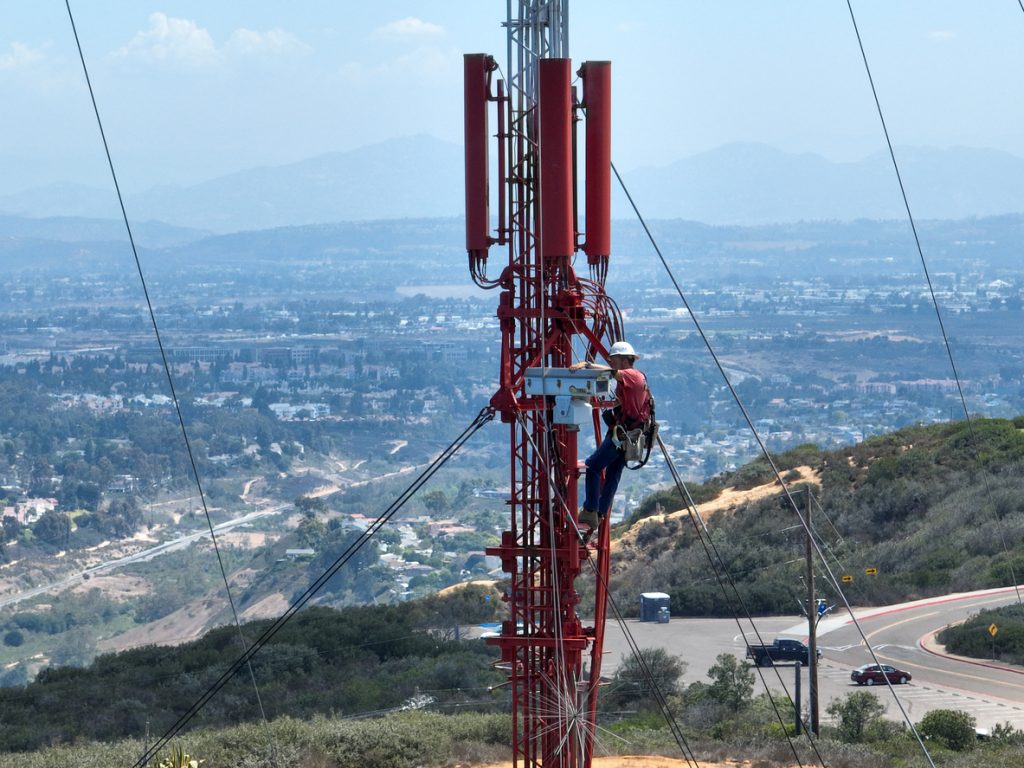
Becoming a cell tower technician can be surprisingly fast compared with many other skilled trades, but that does not mean it is easy.
This is one of those careers where the timeline is short, the learning curve is steep, and the job demands real grit from day one.
If you are comfortable with heights, outdoor work, travel, and physically demanding days, you can move from beginner to entry-level hire in a matter of weeks or months, not years.
Key Takeaways
- You can become an entry-level cell tower technician in as little as 2 to 6 weeks through fast-track training.
- A more typical timeline is 2 to 6 months when you include safety training, certifications, and job searching.
- Some people start with paid on-the-job training and skip school entirely.
- A certificate program may take a few weeks to several months, depending on the school and schedule.
- It usually takes 6 to 12 months on the job before many new technicians feel confident and productive in the field.
- Advancement to higher-level tower work often takes 1 to 3 years of experience.
The Short Answer
For most people, it takes anywhere from a few weeks to a few months to become a cell tower technician at the entry level.
That is the honest answer.
If you find an employer willing to train you, you may start working almost immediately and learn while getting paid.
If you choose a formal training route, you might spend anywhere from a few weeks to several months completing a program.
Either way, the timeline to get your first job is much shorter than careers that require a college degree or years of licensing.
What takes longer is becoming truly seasoned. Getting hired is one thing.
Becoming the person the crew trusts on a difficult climb in rough weather is something else.
What Does a Cell Tower Technician Actually Do?
Before talking about the timeline, it helps to know what you are training for.
A cell tower technician installs, maintains, repairs, and upgrades equipment on communication towers.
That can include:
- Climbing towers to inspect antennas and lines
- Replacing or adjusting wireless equipment
- Running cables and grounding systems
- Performing rigging work
- Testing systems and troubleshooting issues
- Following strict fall protection and rescue procedures
This is not a sit-at-a-desk-and-watch-videos type of job.
It is hands-on, physically demanding, weather-exposed work.
The reason some people can enter the field quickly is that the industry often values practical readiness and safety competence more than a long academic path.
The Fastest Route: Employer Training
The quickest path is getting hired by a company that offers entry-level training.
In that case, your timeline may look like this:
Week 1 to Week 2
You apply, interview, pass the employer screening, and complete basic onboarding.
Week 2 to Week 4
You complete introductory safety training, climbing basics, fall protection, rescue procedures, and possibly CPR, first aid, or OSHA training.
Week 3 to Week 6
You begin field work under supervision.
That means some people can go from total beginner to first day on a crew in as little as 2 to 6 weeks.
This is the fastest route, but it is also the route where you need to prove yourself quickly.
Employers may be willing to train beginners, but they expect reliability, physical toughness, and a serious attitude about safety.
The School Route: Certificate Programs
Some people prefer more structure before they start applying.
That is where tower technician training programs come in.
These programs often focus on:
- Tower climbing fundamentals
- Fall arrest systems
- Rescue techniques
- Rigging
- RF awareness
- OSHA safety concepts
- First aid and CPR
- Basic telecom equipment knowledge
Depending on the school, these programs can take:
- 2 to 5 weeks for short workforce programs
- 8 to 12 weeks for more in-depth hands-on training
- 4 to 7 months for longer certificate-style programs
- Up to around 30 weeks for certain full-time career programs
That is why the article title question does not have one perfect answer.
The field itself is fast to enter, but the training path varies a lot.
One student may finish a crash course in a month, while another may choose a longer program that includes broader technical instruction.
Do You Need a Degree?
Usually, no.
That is one of the biggest reasons the timeline is relatively short.
Most entry-level cell tower technician jobs do not require a college degree.
In many cases, employers look for:
- High school diploma or GED
- Valid driver’s license
- Comfort with heights
- Physical fitness
- Ability to travel
- Willingness to work outdoors
- Strong safety mindset
Some employers like to see a certificate or prior construction, electrical, or telecom experience, but a four-year degree is generally not the gatekeeper here.
That alone cuts years off the path.
What Certifications Can Affect the Timeline?
Certifications do not usually add years, but they can add a few days, a few weeks, or a few months, depending on how you get them.
Common training areas include:
- Fall protection
- Competent climber or authorized climber training
- Tower rescue
- CPR and first aid
- OSHA 10
- Rigging awareness
- RF safety awareness
If your employer handles these, your timeline stays short.
If you collect them yourself before applying, your timeline may be a little longer, but you may also look stronger to hiring managers.
This is one of my biggest takeaways after looking at how people enter the field: the total timeline is not just about school.
It is about how quickly you can become safe, employable, and crew-ready.
How Long Does It Take to Get Your First Job?
That depends on the route you choose.
If You Go Straight to Employers
You could land an entry-level opportunity in a few weeks, especially if the company hires beginners and trains in-house.
If You Complete a Short Training Program First
You may spend 1 to 3 months training, then a few more weeks applying and interviewing.
If You Choose a Longer School Program
You may spend 4 to 7 months in training before you even start the job hunt.
For most people, a realistic total timeline from “I am starting from scratch” to “I have my first tower tech job” is about 2 to 6 months.
That is the sweet spot.
What Slows the Process Down?
Not everyone can jump in immediately.
A few things can stretch the timeline:
Physical readiness
If you are not in shape, the job will humble you fast.
Climbing, lifting, working in harnesses, and handling long days outdoors is no joke.
Fear of Heights
A lot of people like the idea of the job more than the reality of it.
If heights make you freeze, the process may stop before it starts.
Travel Requirements
Many tower crews travel constantly.
If you need a strictly local schedule, your job search may take longer.
Limited Job Openings in Your Area
Some regions have more demand than others.
You may need to relocate or travel to get started faster.
Choosing a Longer Formal Program
A longer program is not bad.
It just naturally extends the timeline.
How Long Until You Are Actually Good at It?
Here is the part many articles skip.
Becoming a cell tower technician is not the same as becoming a confident, efficient, trusted technician.
You might get hired in a month.
That does not mean you will feel comfortable 300 feet in the air doing real work with a crew right away.
A lot of new tower techs need about 6 to 12 months of field experience to really settle in, build speed, understand site workflow, and handle equipment with confidence.
The first job gets you in the door.
The next several months are when you become useful in a serious way.
And if you want to move beyond beginner-level tasks into more advanced responsibilities, expect that process to take 1 to 3 years, depending on the company and the kind of work you do.
A Realistic Timeline by Path
Here is the easiest way to think about it.
Fast-track Entry
- Time: 2 to 6 weeks
- Best for: people who find an employer with paid training
- Trade-off: fast start, steep learning curve
Short Training Program Plus Job Search
- Time: 2 to 4 months
- Best for: people who want a little preparation before applying
- Trade-off: slightly longer path, stronger starting point
Longer Certificate or Career Program
- Time: 4 to 7 months or more
- Best for: people who want more structured training
- Trade-off: slower launch, but potentially broader preparation
Becoming Fully Confident in the Field
- Time: 6 to 12 months after getting hired
- Best for: everyone, because this part is unavoidable
- Trade-off: experience only comes with reps
Is It Worth Taking Longer to Train?
Sometimes, yes.
A short route gets you working faster, but a longer program can help if you:
- Have no trade background at all
- Want a more controlled learning environment
- Need help building confidence before field work
- Want multiple certifications before applying
- Learn better through structured instruction
Still, I would not automatically assume the longest program is the smartest choice.
In a hands-on trade like this, actual job experience matters a lot.
There is a point where more classroom time stops being the thing that moves you forward fastest.
The Bottom Line
If your goal is simply to become an entry-level cell tower technician, the process can be very fast.
In the best-case scenario, you could be trained and working in a few weeks.
For most people, though, 2 to 6 months is a more realistic timeline once you include safety training, certifications, and the job search.
The bigger challenge is not waiting years to qualify.
The bigger challenge is deciding whether you are built for the work.
This career can open quickly, but it asks a lot from the people who step into it.
If you can handle heights, stay safety-focused, and learn fast, it is one of the quicker skilled-trade paths to enter.
And honestly, that is a big part of its appeal.
If you want, I can also write a matching article on How to Become a Cell Tower Technician in the same style.
Read the full guide: How to Become a Cell Tower Technician